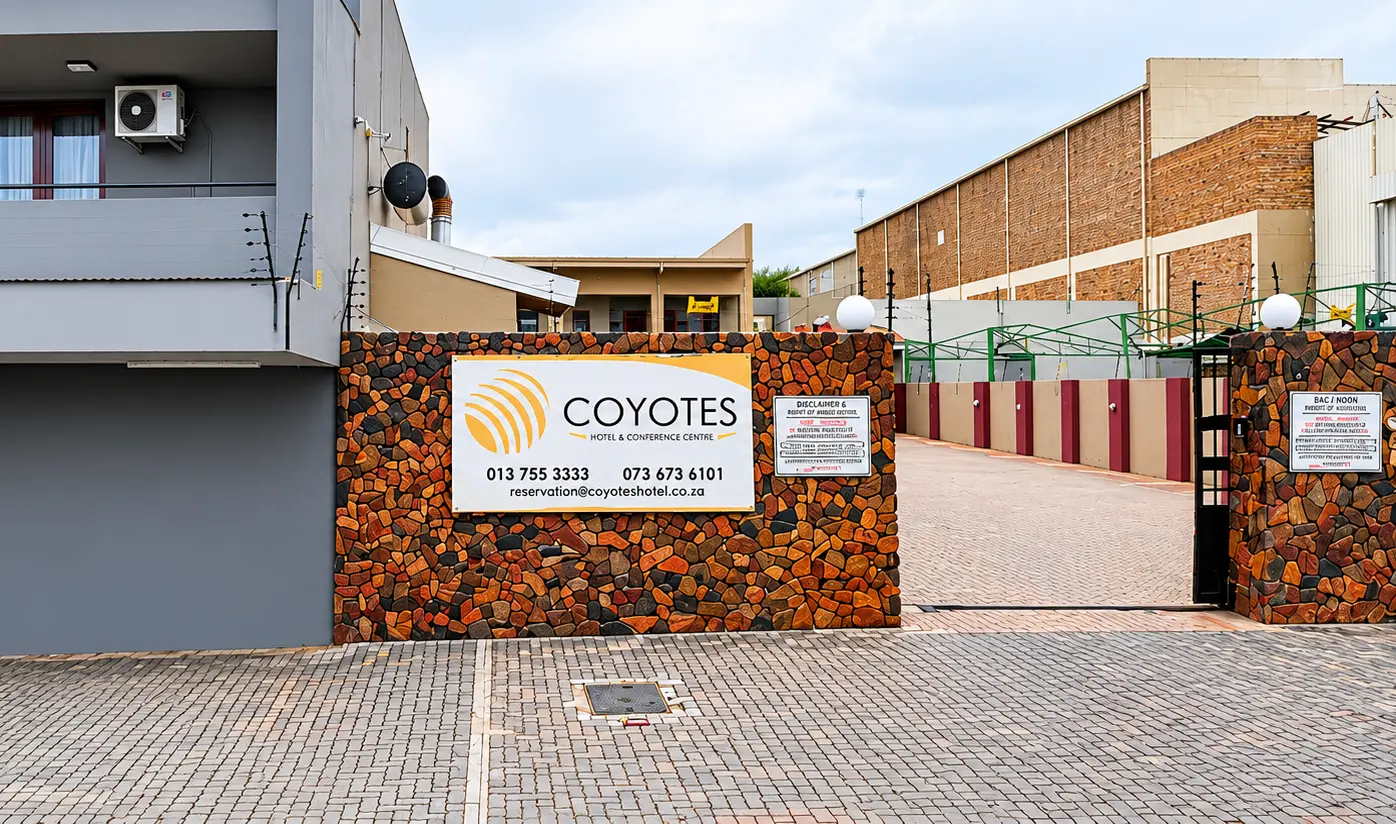
Beyond welcoming guests, hospitality businesses can help stimulate economic activity through employment, procurement and tourism-related spending. From the people who keep the hotel running to the suppliers who provide essential goods and services, the hospitality value chain creates opportunities that can extend well beyond the hotel’s premises. This is testament that the hospitality industry in South Africa is booming.
Hotels offer facilities for business meetings, conferences and celebrations, attracting visitors to the area and creating valuable opportunities for local service providers to participate in and benefit from the wider economy.
The economic value of a hotel is not measured only by the rooms it fills, but also by the jobs it supports, the local businesses it engages and the spending it helps attract to the area.
The contribution of Hospitality Industry to South Africa’s economy
South Africa’s hospitality industry is more than hotels, restaurants and places where travellers spend the night. It forms part of a wider economic network that connects tourism, employment, transport, food production, entertainment and small businesses.
The latest official figures help show the scale of this contribution. According to Statistics South Africa, tourism contributed R361.7 billion, or 4.9% of South Africa’s GDP, in 2024 and directly supported 953,981 jobs. Tourism expenditure reached R779.2 billion that year, including spending by domestic and international visitors.
Indeed, the hospitality industry is brimming with opportunities for growth, innovation and business development.
How Do You Determine Whether a Hotel Is 5-Star, 4-Star or 3-Star Rated?
A hotel’s star rating is determined by more than its appearance, prices or the services advertised on its website. The official grading system assesses the establishment against recognised standards for facilities, service delivery, cleanliness, comfort and the overall guest experience.
The Tourism Grading Council of South Africa (TGCSA), operating under South African Tourism, is the recognised body responsible for the country’s tourism grading system. Hotels are assessed against criteria appropriate to their accommodation category and the star level they seek to achieve.
Does a Hotel’s Star Rating Depend on Its Location?
No. A hotel’s star rating does not depend on the location of its property. In South Africa, a hotel in a small rural town can qualify for a 5-star grading just as a hotel in a bigger city or town.
Is the Hospitality Industry Worth Investing In?
The hospitality industry presents significant opportunities for investors, entrepreneurs and business owners. Like any other sector, success depends on several factors, including location, market demand, operational efficiency, management and the ability to deliver a quality guest experience. Investing in hospitality requires careful planning and a clear understanding of the market.
Township and Rural Tourism/ Hospitality: An Untapped Opportunity or a Neglected Sector?
Rural tourism should not remain an untapped opportunity. With the right investment, collaboration and digital strategy, it can become a meaningful driver of local economic development, job creation and sustainable livelihoods for many communities.
It is abundantly clear that the opportunity exists this sector. The real question is: Are we ready to recognise its potential, invest in its growth, and give rural tourism the visibility it truly deserves?
Try us, those who visited wish they never left.
We are based in Mpumalanga for more details visit: Hotel in Nelspruit, Mpumalanga | Coyotes Hotel